
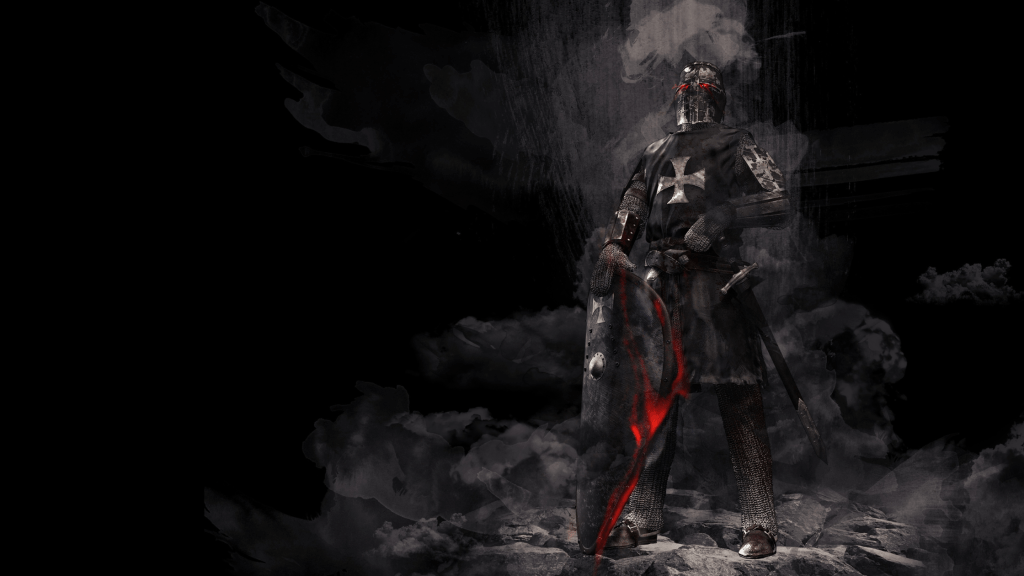
Let’s face it—perfect characters can be, well, boring. Sure, they’re admirable, and maybe even inspirational, but they often lack the depth that keeps readers hooked. Especially in dark fiction, where the lines between right and wrong blur so easily, it’s those morally ambiguous characters that pull us in. And there’s a psychological reason why we find them so compelling.
Why We Gravitate Toward Flawed Characters
We’ve all met characters that challenge our idea of morality—heroes who do questionable things, villains with redeeming qualities, or someone who’s simply just… complicated. And for some reason, we can’t look away. There’s something deeply human about these characters, and they force us to examine our own moral compass in the process.
In fact, research shows that morally ambiguous characters resonate with us because they mirror the complex, often contradictory nature of real human behavior. A study found that readers are more engaged with flawed characters than with those who are morally pristine. We’re drawn to their imperfections because they make them feel more relatable and authentic. No one’s perfect in real life, so when a character walks that tightrope between good and evil, we see a reflection of the internal struggles we all face at some point.
Dark Fiction: A Mirror to Our Hidden Impulses
Dark fiction, in particular, thrives on moral ambiguity. Think about it: this genre isn’t just about villains causing chaos for the sake of it. It’s about forcing us, the readers, to confront uncomfortable truths about humanity—sometimes by seeing ourselves in characters who aren’t “good,” but aren’t completely evil either. That gray area? That’s where the magic happens.
Reading about these characters gives us permission to explore parts of ourselves we might not want to acknowledge. Perhaps it’s the impulse for revenge, or the temptation to bend the rules for the greater good. It’s the type of fiction that asks hard questions: Would you do the same in their position?
The Science Behind Our Fascination
According to Krause & Appel (2019), when readers engage with morally ambiguous characters, they’re able to experience psychological growth. These characters often push us to think critically about right and wrong, leading to a more engaged and reflective reading experience. Because the characters aren’t easy to categorize, we can’t simply label them as “good” or “bad.” This keeps us on our toes and makes the story more compelling.
And here’s the kicker: readers are also more likely to empathize with characters whose moral struggles align with their own internal conflicts. It doesn’t mean we approve of their choices, but we understand them. This empathy is at the heart of what makes morally ambiguous characters so gripping. They allow us to question our own values in a safe space, while still staying deeply invested in their journey.
Real Life Isn’t Black and White—And Neither Are Our Favorite Characters
In real life, people make mistakes. We justify our actions, sometimes regret them, and try to move forward in a world where the rules are rarely as clear-cut as we’d like them to be. Morally ambiguous characters capture that essence. They remind us that life is complicated, and decisions are rarely black and white. Whether it’s a hero who betrays a friend for a noble cause or a villain who shows unexpected kindness, these characters make us think, feel, and engage more deeply with the story.
As readers, we don’t always want to be told what’s right or wrong—we want to figure it out for ourselves. And morally complex characters give us the space to do that. They challenge our beliefs, stretch our empathy, and keep us invested in their journeys.
Final Thoughts
The next time you dive into a book where the hero isn’t quite what they seem, or the villain has layers that make you question your hatred, take a moment to appreciate the complexity. These characters reflect the real-world struggles we all face and give us a window into our own humanity.
What are some of your favorite morally ambiguous characters? Let’s chat in the comments—because these are the discussions that make reading such a rich and social experience.
 Eddy Rose
Leave a comment